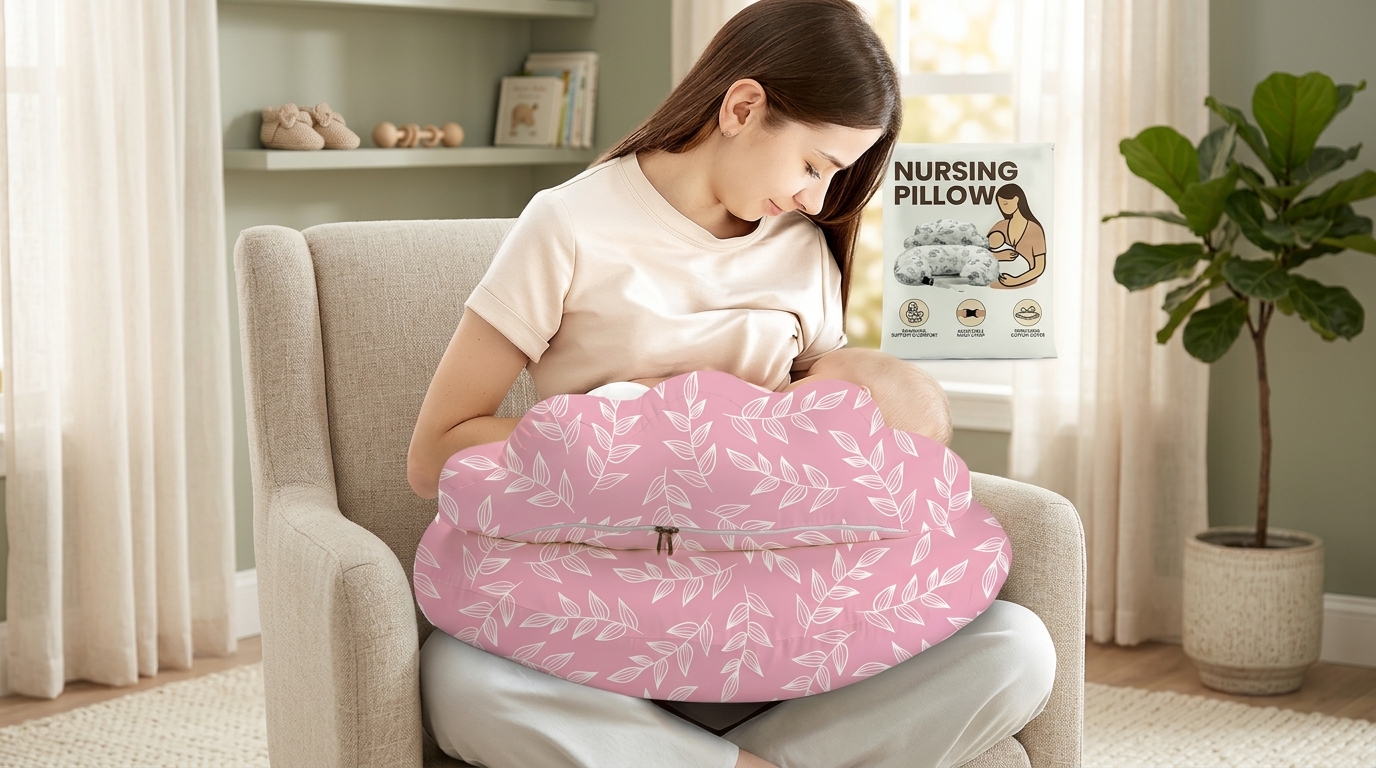
Breastfeeding is supposed to feel natural, but for many moms, the reality includes sore shoulders, aching backs, poor latch struggles, and numb arms after long feeding sessions. One small adjustment — using a nursing pillow correctly — can completely change the experience.
Disclosure: Some links may be affiliate links. As an Amazon Associate I earn from qualifying purchases.
A well-designed nursing pillow helps raise the baby to breast level, improves positioning, reduces shoulder strain, and encourages a deeper latch. But not every pillow works the same way. Some provide soft comfort, while others focus more on posture and back support.
Below is a practical guide to using a nursing pillow properly, along with a detailed review of one of the most popular nursing pillows for everyday breastfeeding support.
1. Pillani Adjustable Nursing Pillow
Overview
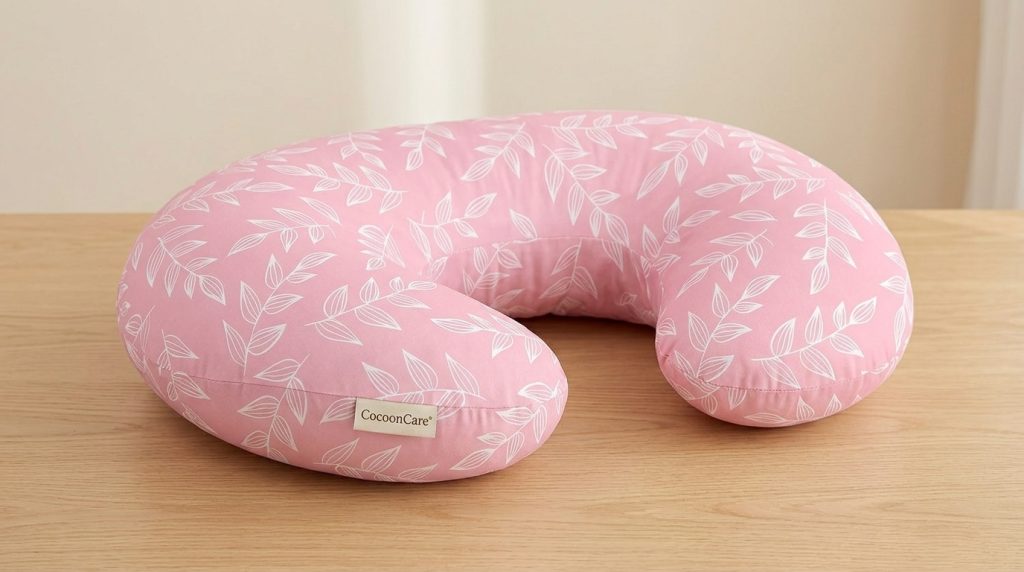
The Pillani Adjustable Nursing Pillow is designed to improve breastfeeding posture while keeping both mom and baby more comfortable during longer feeding sessions. Unlike basic nursing pillows, this model includes an adjustable waist strap that helps keep the pillow securely in place instead of constantly shifting during feeding.
The shape wraps naturally around the waist and lifts the baby closer to breast level, reducing the need to hunch forward.
Material & Comfort
One of the strongest features is the soft cotton cover. It feels breathable, gentle against sensitive skin, and comfortable during extended nursing sessions.
The pillow itself has a medium-firm structure that offers enough support to keep the baby elevated without flattening too quickly over time.
For moms dealing with:
- Shoulder tension
- Wrist fatigue
- Neck soreness
- Lower back discomfort
…the firmer support makes a noticeable difference compared to softer pillows that collapse during feeding.
Key Features
- Adjustable waist strap for stability
- Removable washable cotton cover
- Firm support for better posture
- Wide feeding surface
- Comfortable for multiple nursing positions
Pros
- Helps reduce shoulder and back strain
- Keeps baby positioned higher
- Stable waist attachment prevents slipping
- Comfortable for longer feeds
- Easy-to-clean removable cover
Cons
- Firmer feel may not suit moms preferring plush softness
- Slightly bulkier than compact nursing pillows
- Waist strap may feel snug for some users
Best For
Moms wanting better posture support and improved breastfeeding positioning during daily nursing sessions.
How to Use a Nursing Pillow Properly
A nursing pillow works best when it supports both the baby and your posture — not just your arms.
The goal is simple:
Bring the baby to your breast instead of leaning your body down toward the baby.
That one adjustment alone can prevent a lot of breastfeeding pain.
Step 1: Position the Pillow Correctly
Place the nursing pillow snugly around your waist so it sits high enough to support the baby near breast level.
The pillow should:
- Rest securely against your body
- Support your elbows naturally
- Keep your shoulders relaxed
- Prevent forward hunching
If the pillow sits too low, you’ll still end up bending your neck and shoulders forward.
Step 2: Bring Baby Belly-to-Belly
One of the most common latch mistakes is twisting the baby’s neck toward the breast.
Instead:
- Keep baby’s ears, shoulders, and hips aligned
- Turn the baby fully toward your body
- Bring baby close enough so they don’t need to stretch for the nipple
This positioning helps encourage a deeper and more comfortable latch.
Step 3: Support the Neck — Not the Back of the Head
Many moms accidentally push the baby’s head forward during feeding, which can actually worsen latch problems.
Instead:
- Support the neck and shoulders gently
- Allow baby’s head to tilt slightly backward
- Let baby open wide before latching
A deeper latch usually means:
- Less nipple pain
- Better milk transfer
- Reduced feeding frustration
Step 4: Relax Your Shoulders
This is where nursing pillows help the most.
Without support, moms often:
- Raise their shoulders
- Tense their neck
- Curl their upper back
- Hold baby’s weight with their arms
Over time, this causes serious shoulder and upper back pain.
A supportive nursing pillow should allow your:
- Elbows to rest comfortably
- Wrists to stay neutral
- Shoulders to remain relaxed
If your shoulders are tightening during feeding, the baby is probably sitting too low.
Best Nursing Positions With a Nursing Pillow
Cradle Hold
Good for relaxed everyday feeding once breastfeeding is established.
Best For:
- Older newborns
- Casual daytime feeds
Cross-Cradle Hold
Offers better control for improving latch issues.
Best For:
- Newborns
- Learning proper latch technique
- Smaller babies
Football Hold
Keeps baby tucked under the arm while using the pillow for elevation.
Best For:
- C-section recovery
- Twins
- Moms with larger breasts
Common Nursing Pillow Mistakes
Leaning Forward
This is the biggest cause of breastfeeding back pain.
Always raise the baby higher instead of lowering your body.
Using the Pillow Too Low
If the pillow sits on your lap instead of around your waist, support becomes ineffective.
Holding Baby’s Weight Yourself
Your arms should guide the baby — not carry all the pressure during the feed.
Final Verdict
A quality nursing pillow can dramatically improve breastfeeding comfort when used properly. The best models help position the baby correctly, reduce upper body strain, and encourage a deeper latch without forcing moms into uncomfortable positions.
The Pillani Adjustable Nursing Pillow stands out because it combines:
- Stable support
- Better posture alignment
- Comfortable feeding height
- Reduced shoulder strain
- Secure waist positioning
For moms struggling with latch issues, neck pain, or back discomfort during breastfeeding, a supportive nursing pillow can make feeding sessions far more comfortable and sustainable over time.