An insulated bottle is one of those everyday essentials you don’t fully appreciate until it starts smelling weird. If you’ve ever opened your water bottle and noticed a funky odor, lingering taste, or hidden mold under the lid, you’re definitely not alone.
The good news? Most insulated bottles can stay fresh for years with the right cleaning routine. In this guide, we’ll break down exactly how to clean your insulated bottle properly, avoid mold buildup, and keep your drinks tasting fresh every day.
Disclosure: Some links may be affiliate links. As an Amazon Associate I earn from qualifying purchases.
Top Insulated Bottle Pick for Easy Cleaning
1. Owala FreeSip Stainless Steel Water Bottle
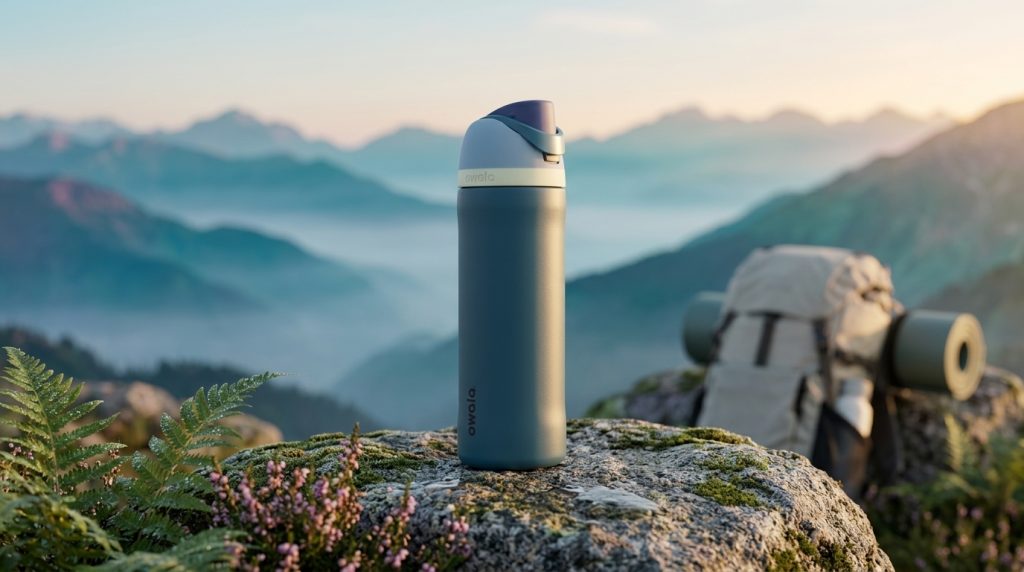
The Owala FreeSip has become incredibly popular because it combines portability, insulation, and user-friendly design into one practical bottle. What makes it especially interesting from a maintenance perspective is its innovative FreeSip spout system, which allows both sipping and swigging.
While the dual-function lid is convenient, it also means proper cleaning matters even more. Bottles with hidden silicone seals and straw components can trap moisture if not cleaned correctly.
Best Features
- Double-wall insulated stainless steel
- Built-in straw and sip opening
- Leak-resistant locking lid
- BPA-free construction
- Comfortable carry loop
Pros
- Excellent temperature retention
- Very convenient for everyday hydration
- Easy to carry for commuting, gym, or travel
- Encourages drinking more water throughout the day
Cons
- Lid has multiple small parts to clean
- Straw area needs regular maintenance
- Can develop odors if left wet overnight
Real-World Experience
The Owala FreeSip is genuinely one of the more enjoyable insulated bottles to use daily. The sip-and-straw combination feels convenient during workouts, driving, and office use. However, like many modern insulated bottles, the lid design requires a little extra attention during cleaning.
If you stay consistent with maintenance, it stays fresh and odor-free for a long time.
Why Insulated Bottles Start Smelling
Most bottle odors don’t come from the stainless steel itself. The real issue is usually:
- Moisture trapped inside lids
- Milk, coffee, or protein residue
- Mold hiding under silicone seals
- Bacteria buildup in straws
- Closing the bottle before it fully dries
Even high-end bottles can develop smells if they aren’t cleaned thoroughly.
How to Clean Your Insulated Bottle the Right Way
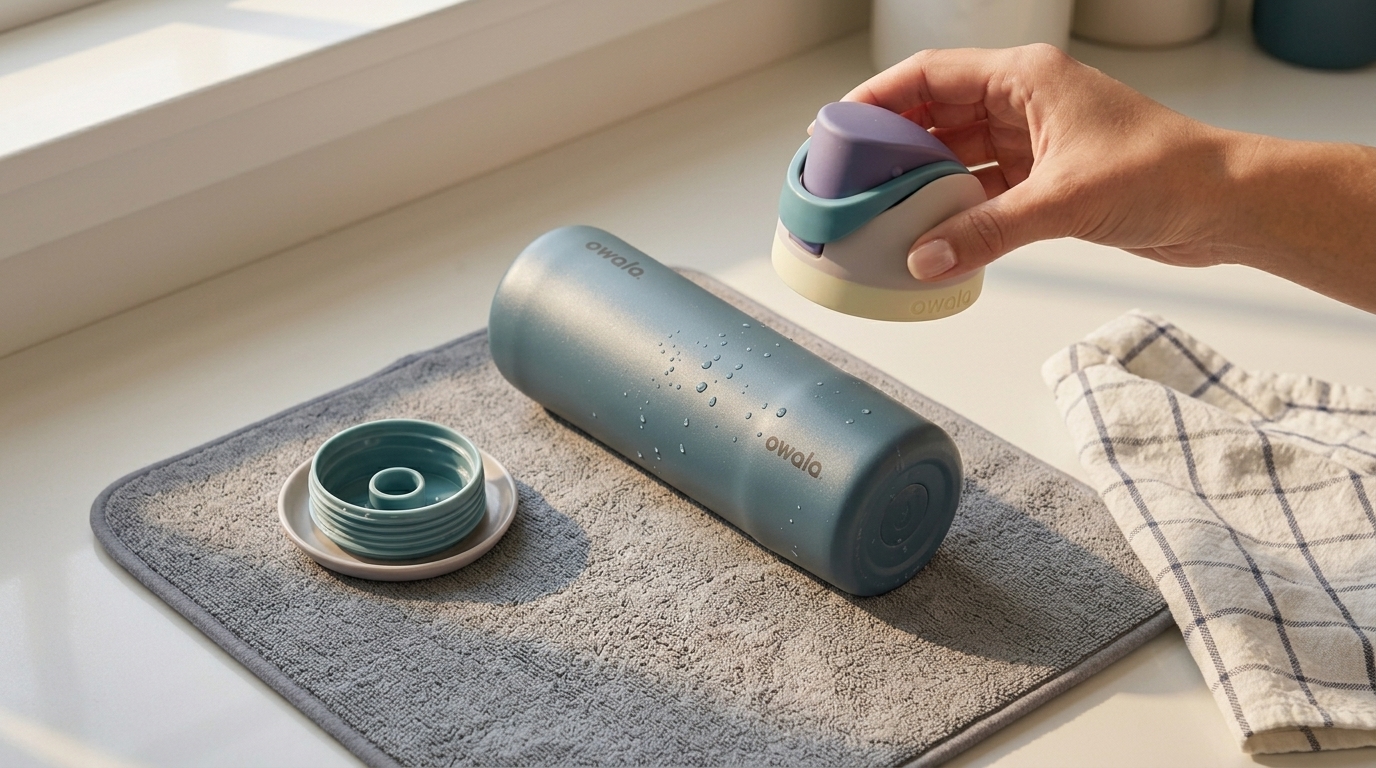
Step 1: Disassemble Everything
Before washing:
- Remove the lid
- Take out the straw
- Remove silicone seals if possible
- Separate all detachable parts
This is the most important step because mold often hides underneath gaskets and rubber rings.
Skipping this step is the main reason bottles continue smelling even after washing.
Step 2: Use Warm Water + Dish Soap
For daily cleaning:
- Fill the bottle with warm water
- Add mild dish soap
- Use a bottle brush to scrub the interior
- Clean around the neck and bottom thoroughly
For lids and straws:
- Use a small straw brush
- Focus on mouthpieces and corners
- Rinse extremely well
Avoid bleach for regular cleaning because it can damage seals over time.
Step 3: Deep Clean Weekly
If you use your bottle every day, a deeper cleaning once a week helps prevent odor buildup.
Best Deep-Clean Method
Mix:
- Warm water
- Baking soda
- A little white vinegar
Let it sit for 15–30 minutes before scrubbing again.
This works especially well for:
- Coffee smells
- Protein shake residue
- Sour odors
- Mild mold buildup
The Biggest Mistake Most People Make
The biggest issue is not drying the bottle completely.
After washing:
- Leave the lid off
- Air dry upside down
- Let all parts dry separately
Closing a damp bottle traps moisture inside and creates the perfect environment for bacteria and mold.
Which Insulated Bottle Designs Are Easier to Clean?
Not all insulated bottles are equally easy to maintain.
Easier to Clean
- Wide-mouth bottles
- Simple twist-cap designs
- Bottles with fewer silicone parts
Harder to Clean
- Built-in straw systems
- Flip-top lids
- Hidden gasket designs
The Owala FreeSip sits somewhere in the middle. It’s convenient but requires slightly more cleaning attention compared to simpler insulated bottles.
Tips to Prevent Smells and Mold Long-Term
Do This Regularly
- Wash daily if used often
- Deep clean weekly
- Dry completely before storing
- Remove seals occasionally for inspection
- Replace damaged straws or seals
Avoid This
- Leaving drinks overnight for days
- Storing sweet beverages too long
- Closing the bottle while wet
- Ignoring hidden lid components
These habits make a huge difference over time.
Final Verdict
If you want your insulated bottle to stay fresh, odor-free, and mold-free, consistency matters more than expensive cleaning products.
The Owala FreeSip is an excellent everyday insulated bottle thanks to its smart design, portability, and strong insulation performance. But like most bottles with straw systems, it needs proper maintenance to stay hygienic.
For busy daily use:
- Quick rinse after every use
- Full wash daily
- Deep clean weekly
- Always air dry completely
Follow those four habits, and your insulated bottle should stay clean, fresh, and safe to use for years.